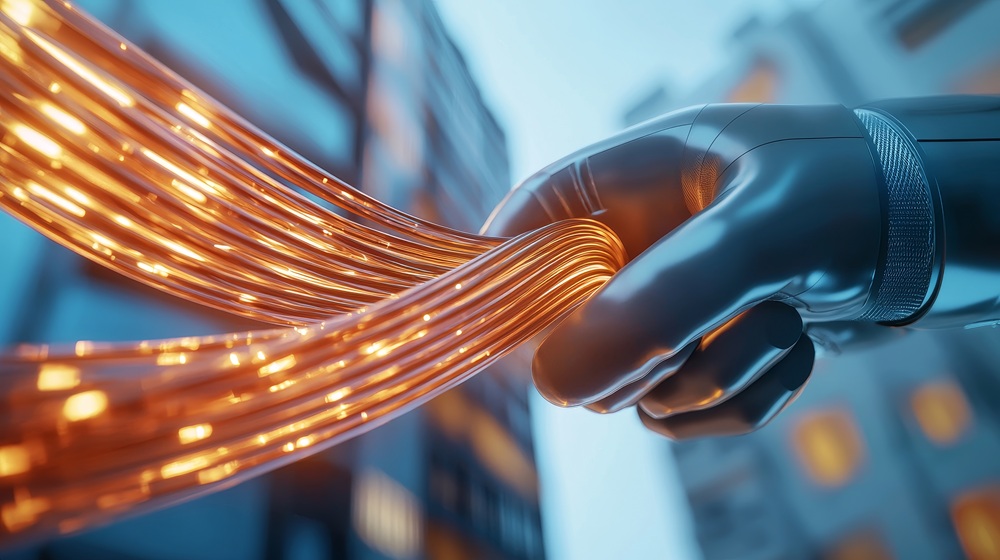
Across modern industrial systems, reliability is no longer just a performance metric—it is a core operational requirement. Automated manufacturing lines, robotics, and smart infrastructure all rely on electrical components that must operate continuously under demanding conditions. Working with experienced providers of flexible wire manufacturing solutions helps ensure that wiring systems can tolerate vibration, movement, and long-term operational stress without unexpected failures.
Why Wire Fatigue Impacts Maintenance Strategy
One of the most common hidden causes of equipment downtime is wire fatigue. Traditional solid-core conductors can fracture when exposed to repetitive bending, eventually leading to unstable signals or power interruptions. Flexible wire technology solves this challenge through ultra-fine stranded conductors that distribute mechanical stress more evenly, allowing wires to withstand millions of movement cycles.
Infrastructure resilience research highlights the importance of durable electrical components. The International Energy Agency (IEA) report on Electricity Grids emphasizes how advanced electrical systems help reduce disruption risks across complex industrial environments.
Materials Innovation Supporting System Durability
The performance of modern wiring solutions is closely linked to advancements in materials science. Research published in IEEE Xplore regarding insulation health diagnosis demonstrates how specialized wire structures can dramatically extend operational lifespan in motion-intensive applications.
For maintenance teams and reliability engineers, selecting durable wire solutions can reduce repair frequency. By combining advanced materials with precise engineering, flexible wiring technologies contribute to infrastructure that is not only efficient but also resilient.